
A Bubbly History: How Champagne Sparkled Its Way Into Our Hearts

Pop! Fizz! Clink! Few sounds say celebration quite like the joyful pop of a Champagne cork. But did you know that the world’s most famous bubbly was actually born from what early winemakers thought was a terrible mistake? Let’s take a little trip through time to uncover how Champagne went from a Roman vineyard experiment to the star of every toast.
From Roman Roots to “Oops, It’s Fizzy!”
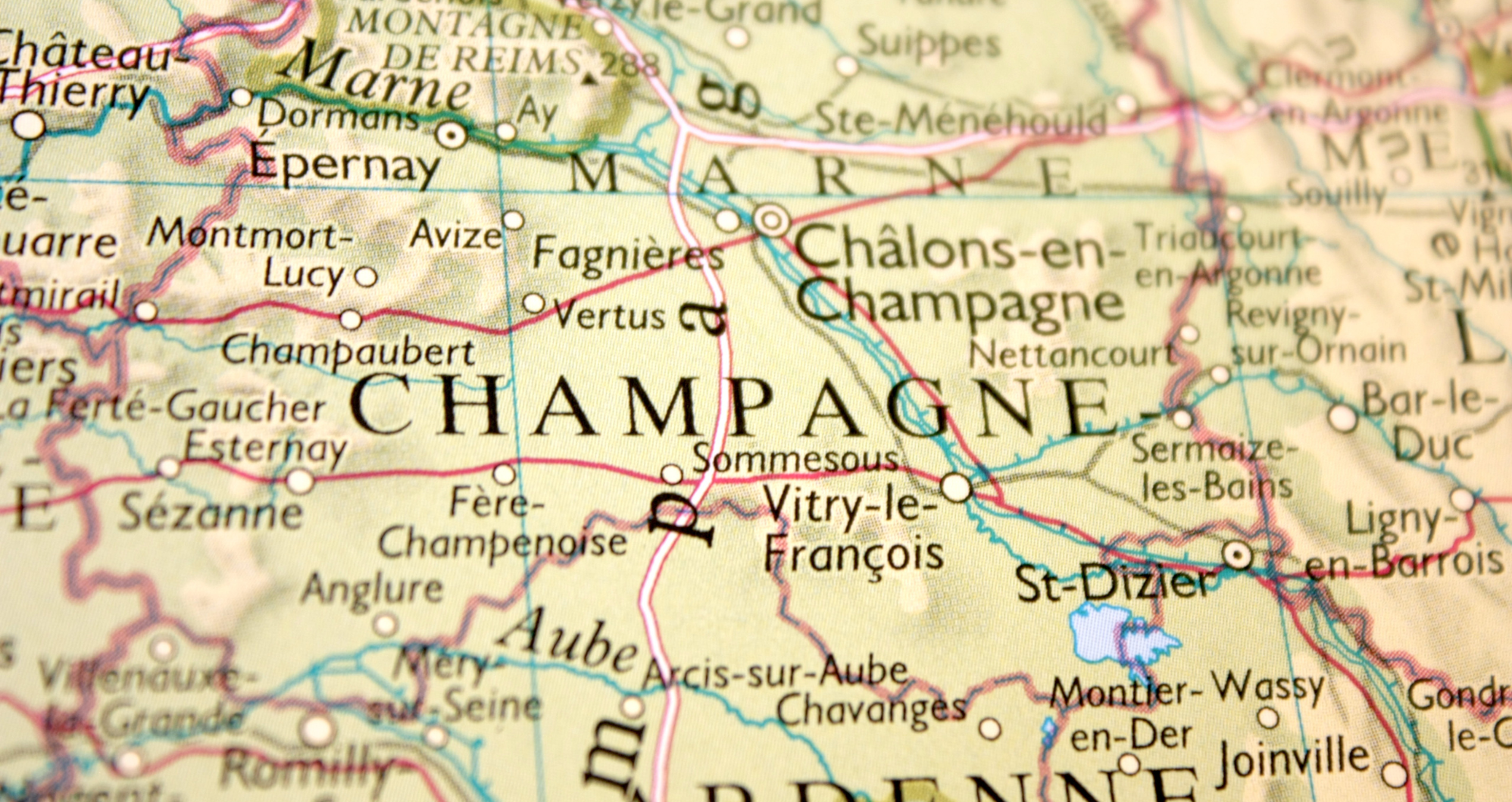
The story begins way back in the 5th century (or maybe even earlier), when the Romans planted the first vineyards in the Champagne region of France. These early wines were pale and slightly pink, made mostly from Pinot Noir grapes. Everything was going smoothly—until, one day, the wine started… bubbling.
To the horror of local winemakers, their bottles were fizzing and sometimes even exploding. At the time, bubbles were seen as a flaw, not a feature. But across the English Channel, the Brits were popping open these sparkling bottles with delight.
The British Connection: Falling in Love with the Bubbles
By the 1600s, London’s elite couldn’t get enough Champagne. Thanks to an epicurean named Charles de Saint-Évremond, Champagne became the “it” drink among fashionable Londoners. The Duke of Buckingham, the Earl of Arlington, and plenty of other well-heeled gentlemen were ordering cases by the dozen.
Meanwhile, English scientist Christopher Merret discovered that adding sugar to wine before bottling made it sparkle—a discovery that predated French sparkling production! So, in a twist of fate, the British may have actually helped invent sparkling wine.
Champagne Goes Royal
After King Louis XIV’s death in 1715, France’s high society caught the bubbly fever. Philippe II, Duke of Orléans, made sparkling Champagne the drink of choice for nobles and royals alike. The only problem? The bottles kept bursting under pressure! It wasn’t until the Industrial Revolution brought stronger glass bottles, corking machines, and a better understanding of fermentation that Champagne became a reliable (and safe) luxury.
The Rise of the Modern Sparkle
By the 19th century, Champagne makers had mastered the art of the bubble. They developed techniques to remove the cloudy sediment left over from fermentation—giving us the crystal-clear sparkle we love today. The traditional méthode champenoise (or méthode classique) became the gold standard, and Champagne was firmly established as the drink of elegance and celebration.
As tastes evolved, so did Champagne’s sweetness levels. What started as sugary-sweet “demi-sec” wines slowly gave way to drier styles like “sec,” “extra dry,” and finally “brut.” When Perrier-Jouët launched the first sugar-free Champagne in 1846, critics thought it was too harsh. Fast-forward a few decades, and brut Champagne became the standard—proof that even the most refined tastes can change over time.
Champagne Today: A Global Icon
Since the 1950s, Champagne sales have quadrupled, with the region now producing over 200 million bottles a year across 86,500 acres of vineyards. Its prestige has inspired countless imitators around the world—from Spain’s Cava to Germany’s Sekt—but true Champagne still comes only from one place: Champagne, France. The locals guard that name fiercely (and rightfully so!).

Pour, Pop, and Cheers!
Today, Champagne is synonymous with celebration—birthdays, weddings, and holidays. For the best pour, experts suggest tilting your glass and letting the liquid slide gently down the side to preserve those precious bubbles.
Just remember to keep your bottle cold and your aim steady—Champagne may be a drink of luxury, but it still has a wild side!
So next time you raise a glass of bubbly, remember: every little sparkle carries centuries of happy accidents, royal indulgence, and scientific curiosity. Here’s to history, celebration, and all things Champagne—cheers!