
Wine Bottle Sizes Explained
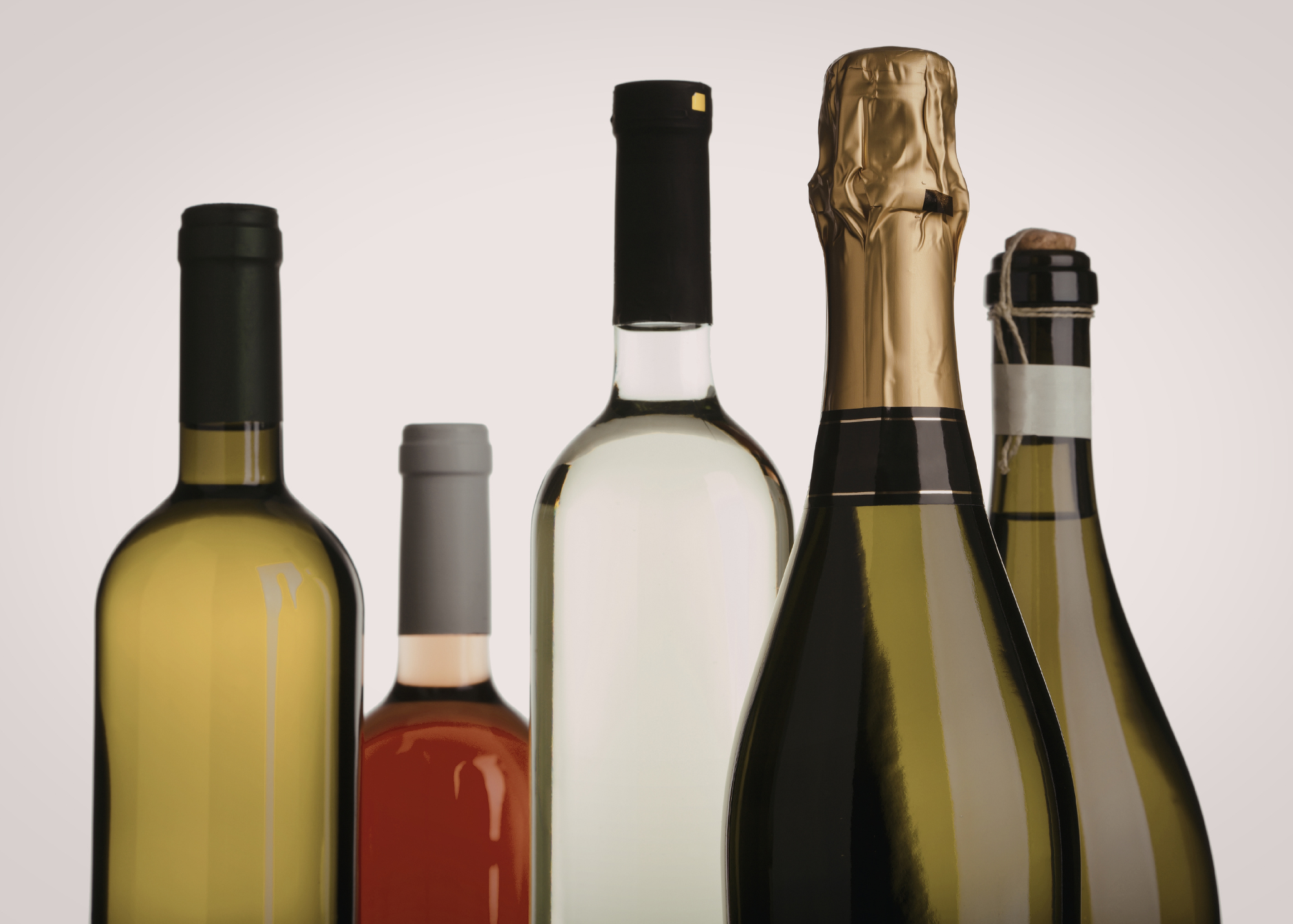
Whether you're new to wine or a seasoned enthusiast, you've probably noticed that wine bottles come in more than just the standard 750 ml size. From tiny single-serving bottles to enormous bottles that can hold the equivalent of twenty standard bottles, wine bottle sizes come in a wide variety and some fascinating names. At the Hudson Valley Wine & Food Festival, we're always excited to help guests learn more about the world of wine. Understanding wine bottle sizes can make shopping, collecting, serving, and storing wine much easier—and it might even impress your friends at your next gathering!
Why Wine Bottle Size Matters
The size of a wine bottle determines more than just how much wine it contains.
It also affects:
How many servings you'll get from a bottle
How long a wine may age
How dramatic a bottle looks when serving guests
The type and size of wine rack needed for storage
Whether you're purchasing a bottle for a quiet evening at home or a celebration with family and friends, knowing the different sizes can help you choose the perfect bottle for the occasion.
Common Wine Bottle Sizes
Split or Piccolo
The smallest commonly available wine bottle, the Split (or Piccolo), holds about one-quarter of a standard bottle. The word Piccolo means "small" in Italian.
These bottles are ideal for:
Single servings
Airline service
Champagne toasts
Gift baskets
Demi
Demi means "half" in French, and this bottle contains approximately half the volume of a standard bottle.
A Demi bottle typically provides:
About 2 glasses of wine
A convenient size for dessert wines and ice wines
Standard Bottle
The bottle most wine lovers are familiar with.
Volume: 750 ml
Servings: Approximately 4 to 6 glasses, depending on your pour
The standard bottle remains the industry norm and is the size you'll find most often at wineries, wine shops, and tastings.
Magnum
A Magnum contains:
1.5 liters of wine
The equivalent of 2 standard bottles
Magnums are popular for celebrations and are often prized by collectors because larger bottles can allow wine to age more gradually
The Giants of the Wine World
Once you move beyond Magnums, bottle sizes become increasingly impressive—and their names become even more memorable.
Jeroboam
A Jeroboam holds approximately:
3 to 5 liters
The equivalent of 4 to 6 standard bottles
Rehoboam
A Rehoboam contains:
4.5 liters
The equivalent of 6 standard bottles
This size is often associated with sparkling wines and celebratory occasions.
Imperial
The Imperial bottle holds:
6 liters
The equivalent of 8 standard bottles
Methuselah
Named after the biblical figure known for his long life, the Methuselah contains:
6 liters
The equivalent of 8 standard bottles
This bottle size is traditionally used for Champagne and sparkling wines.
Salmanazar
A Salmanazar holds:
9 liters
The equivalent of 12 standard bottles
At this size, pouring a glass becomes a group effort!
Nebuchadnezzar
One of the largest commercially available wine bottle sizes, the Nebuchadnezzar contains:
15 liters
The equivalent of 20 standard bottles
These enormous bottles are often reserved for major celebrations, special events, and collector showcases.
Discover More About Wine at the Hudson Valley Wine & Food Festival
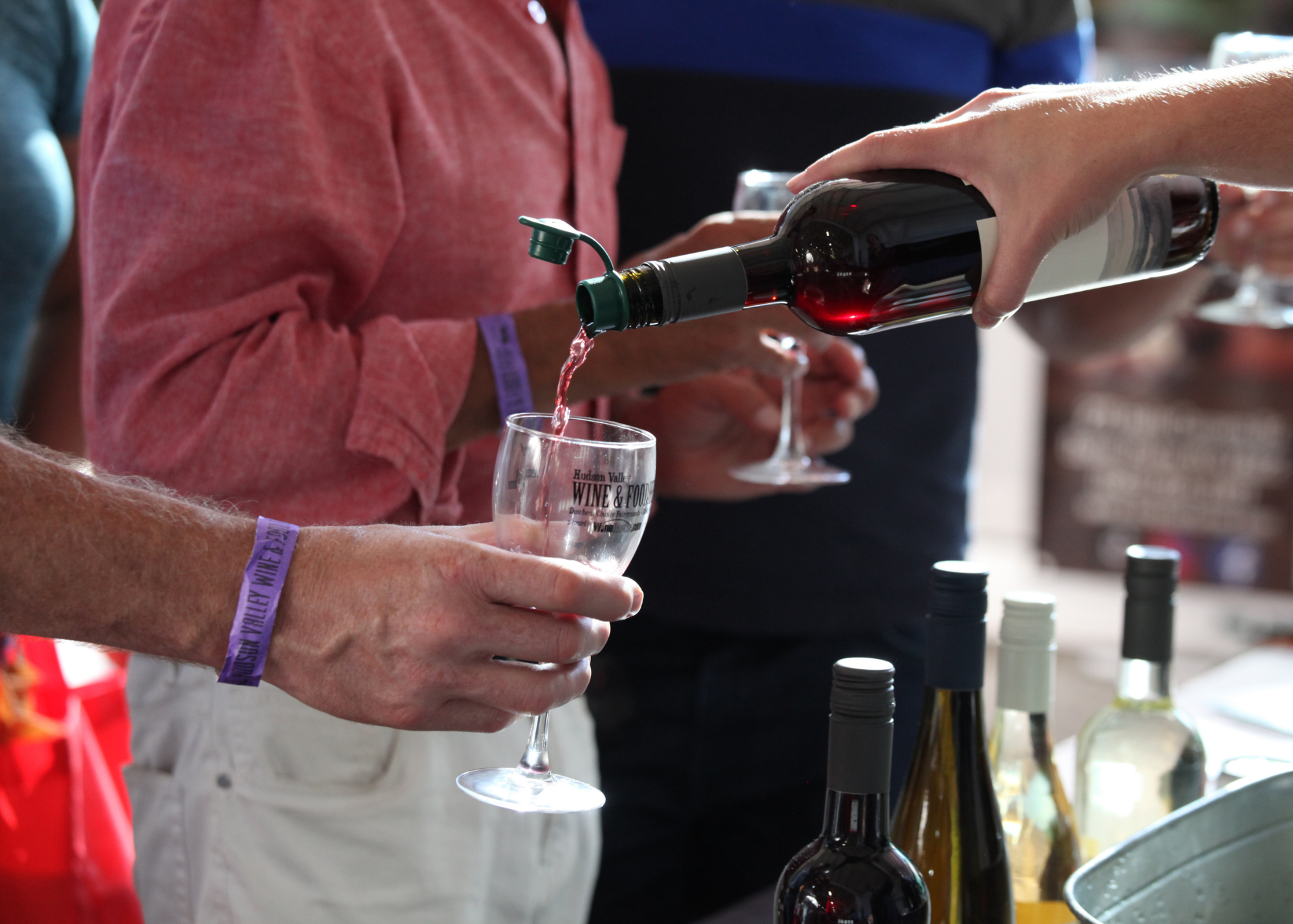
The world of wine is full of fascinating traditions, terminology, and history. Learning about bottle sizes is just one way to deepen your appreciation of the wines you enjoy. At the Hudson Valley Wine & Food Festival, you'll have the opportunity to meet wineries, sample a wide variety of wines, and expand your wine knowledge in a fun and welcoming atmosphere. Whether you're sipping from a standard bottle, sharing a Magnum with friends, or spotting an impressive large-format bottle at a winery booth, you'll be ready to recognize exactly what you're looking at.