
Wine Glasses 101: Learn The Basics of Stemware Before Your Next Wine Tasting
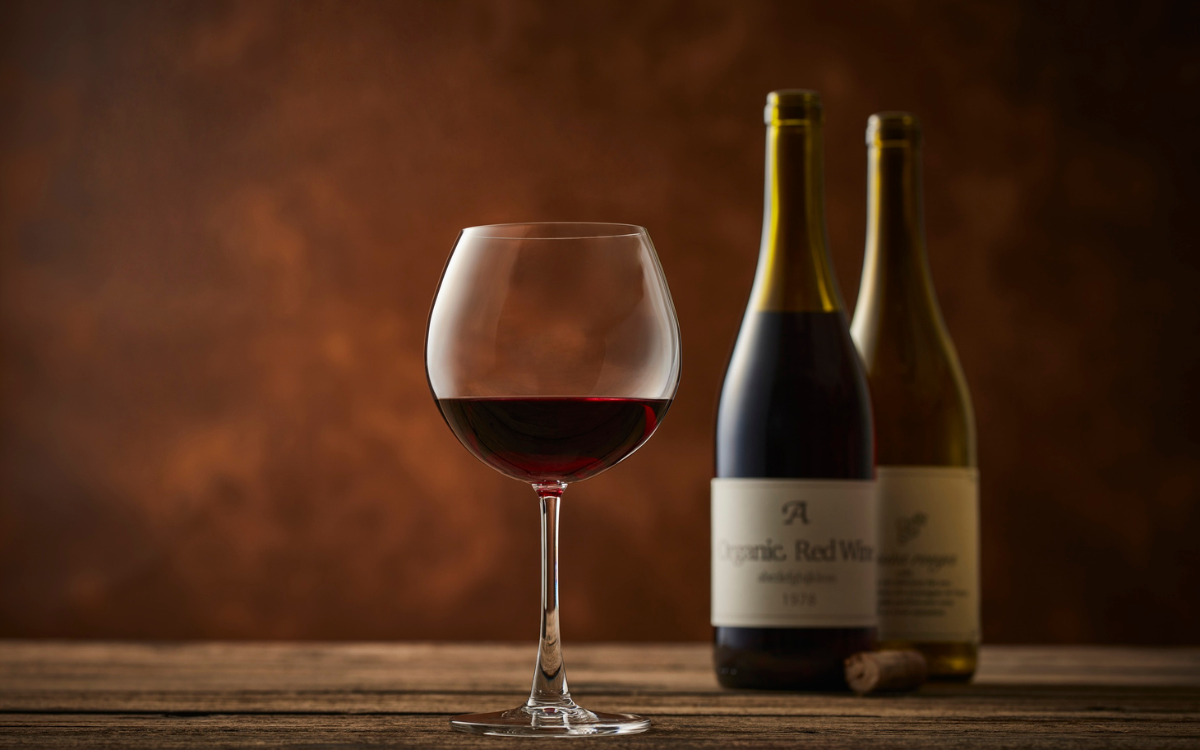
If you've ever looked at a table full of wine glasses and wondered, "Does it really matter which one I use?"—you're not alone! While you can certainly enjoy your favorite wine from almost any glass, the shape of your stemware can actually enhance the aromas, flavors, and overall tasting experience. Whether you're just beginning your wine journey or getting ready for a day of sampling at the Hudson Valley Wine & Food Festival, here's a quick guide to the basics of wine glasses.
The Anatomy of a Wine Glass
Every traditional wine glass has three main parts:
The Bowl
This is where the wine is poured—and arguably everyone's favorite part! The size and shape of the bowl play an important role in how the wine's aromas are released.
The Stem
The stem connects the bowl to the base and allows you to hold the glass without warming the wine with your hand.
The Base (or Foot)
The base keeps the glass balanced and upright, making it easy to swirl and enjoy your wine.

Red Wine Glasses vs. White Wine Glasses
You may notice that red and white wine glasses aren't exactly the same—and there's a good reason for it.
Red Wine Glasses
Red wine glasses typically feature a larger, taller, and rounder bowl. This extra space allows the wine to interact with more air, helping it "breathe." Aeration softens tannins and releases the rich aromas and complex flavors that make red wines so enjoyable. If you're sipping a Cabernet Sauvignon, Merlot, or Pinot Noir, a larger bowl helps bring out the wine's full character.
White Wine Glasses
White wine glasses have a smaller, narrower bowl. This design helps concentrate the delicate floral and fruit aromas often found in white wines while maintaining a cooler temperature. The smaller surface area slows warming, and the stem allows you to keep your hands away from the bowl. Whether you're enjoying a crisp Sauvignon Blanc, refreshing Pinot Grigio, or buttery Chardonnay, a white wine glass is designed to keep every sip fresh.
Why Are Champagne Flutes So Tall?
Champagne flutes aren't just elegant—they're practical. Their tall, narrow shape helps preserve carbonation by reducing the amount of wine exposed to the air, allowing those beautiful bubbles to last longer. The narrow design also showcases the steady stream of bubbles rising through the glass. Like other stemware, the long stem helps keep your hand from warming the sparkling wine too quickly, ensuring every sip stays perfectly chilled.
What About Dessert Wines?
Dessert wines are often served in smaller glasses. Since these wines tend to be richer and sweeter, smaller pours are common. A smaller glass helps concentrate the wine's aromas while encouraging slower sipping, allowing you to appreciate every flavorful drop.
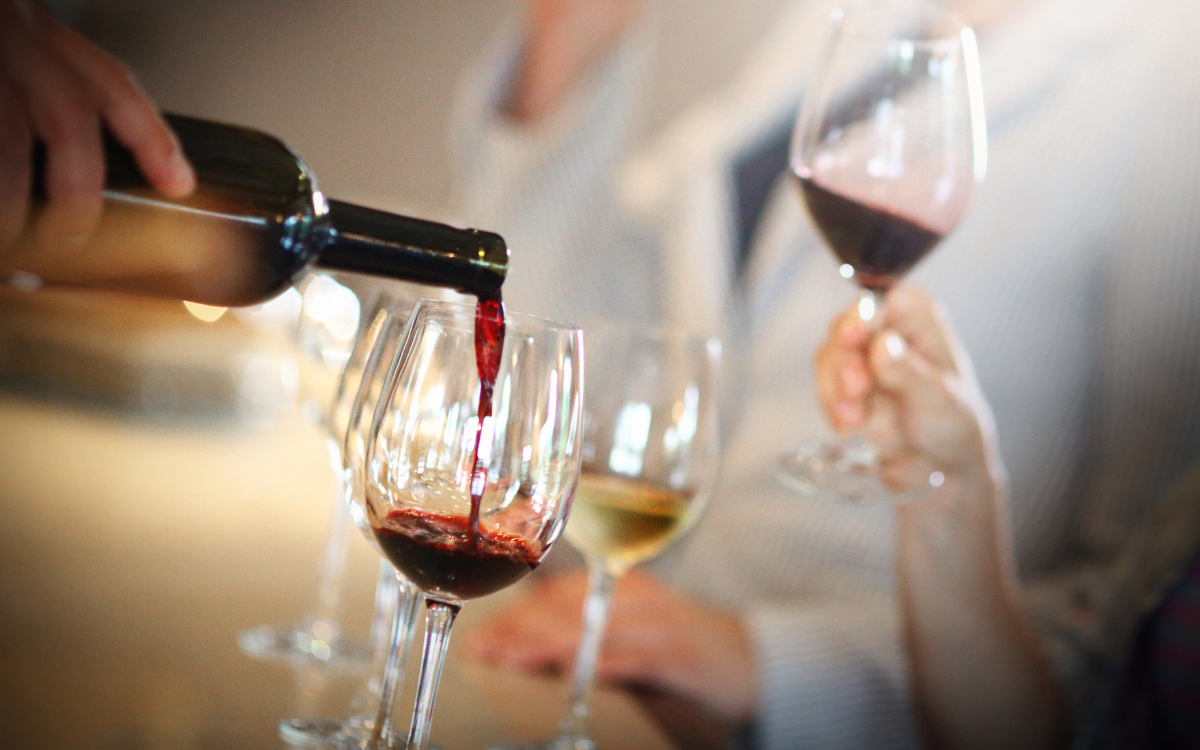
There's a Wine Glass for Almost Every Wine
Once you've mastered the basics, you'll discover that stemware can become its own fascinating hobby. Wine enthusiasts often choose different glass shapes for specific grape varieties or wine regions. For example, you may see specially designed glasses for Bordeaux, Burgundy, Shiraz, and many other styles of wine. Each shape is intended to highlight different aromas, textures, and flavor profiles.
The good news? You don't need a cabinet full of specialty glasses to enjoy great wine. Starting with a quality red wine glass, white wine glass, and champagne flute will have you well prepared for almost any occasion.
Sip, Swirl, and Discover at the Hudson Valley Wine & Food Festival
Now that you know the basics of stemware, you're ready to put your knowledge to the test! At the Hudson Valley Wine & Food Festival, you'll have the opportunity to sample wines from wineries across New York while discovering new favorites along the way. Whether you're tasting a bold red, a crisp white, or a celebratory sparkling wine, understanding how stemware influences the tasting experience can make every sip even more enjoyable.
Who knows? You may leave with a new favorite wine—and the perfect excuse to add another wine glass to your collection!