
White Wine 101: Everything You Need to Know
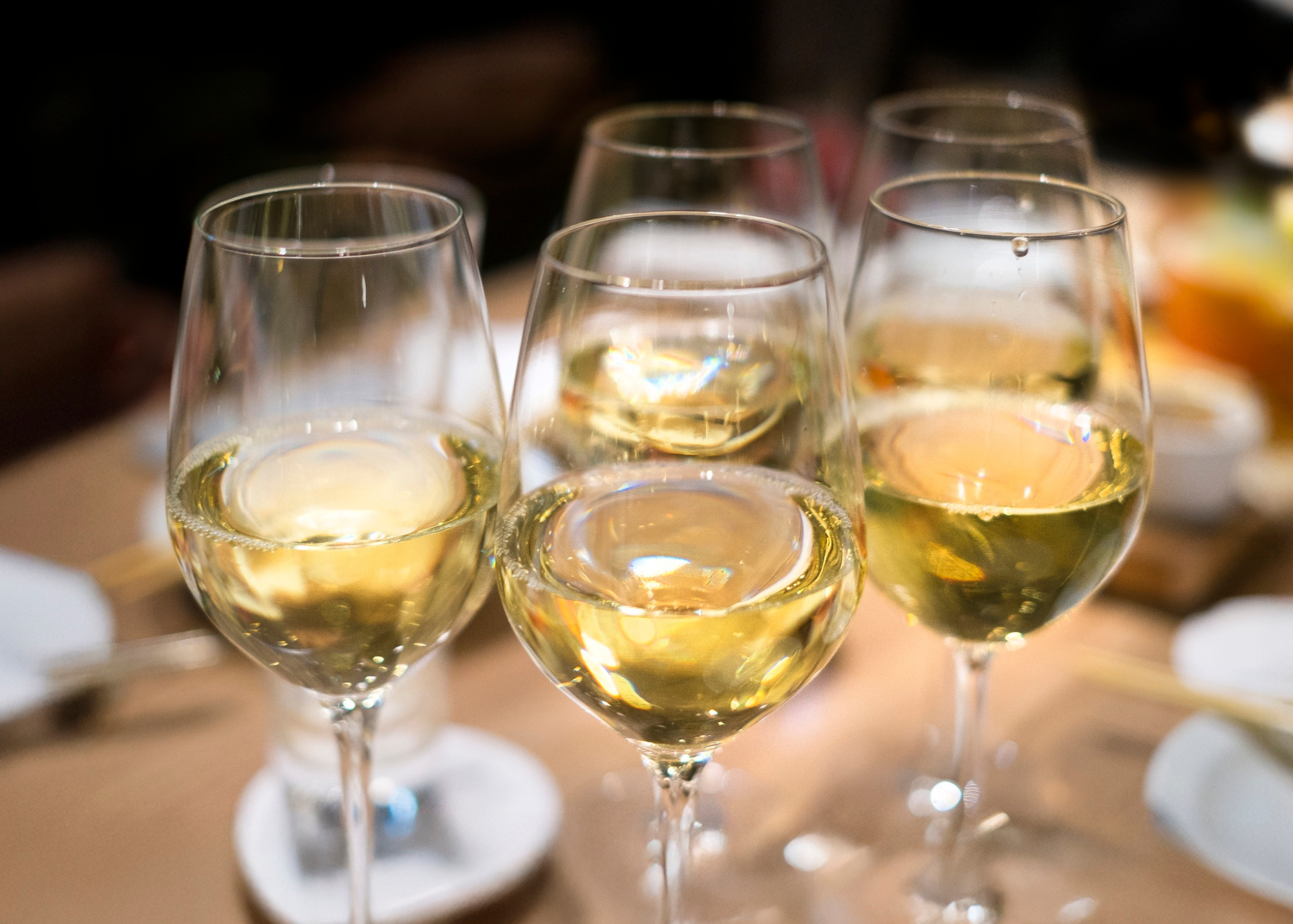
Few things are as refreshing as a chilled glass of white wine on a warm afternoon. White wine offers an incredible range of flavors and styles that appeal to both new wine drinkers and seasoned enthusiasts alike. Known for their crisp acidity, bright fruit flavors, and floral aromas, white wines are among the most versatile wines in the world. Let's uncork the basics and discover what makes white wine so special! What Makes White Wine Different? While most people know that red wine comes from red grapes and white wine comes from green or white grapes, there's a little more to the story. The biggest difference lies in how the wine is made. When producing red wine, winemakers ferment the juice together with the grape skins and seeds. This process extracts color, tannins, and additional flavors from the grapes. For white wine, the skins, seeds, and stems are typically removed before fermentation begins. This allows the wine to maintain its lighter color and showcase bright fruit and floral characteristics. The result? Wines that are often crisp, refreshing, and aromatic.
What Makes White Wine Different?
While most people know that red wine comes from red grapes and white wine comes from green or white grapes, there's a little more to the story. The biggest difference lies in how the wine is made. When producing red wine, winemakers ferment the juice together with the grape skins and seeds. This process extracts color, tannins, and additional flavors from the grapes. For white wine, the skins, seeds, and stems are typically removed before fermentation begins. This allows the wine to maintain its lighter color and showcase bright fruit and floral characteristics. The result? Wines that are often crisp, refreshing, and aromatic.
The Many Styles of White Wine
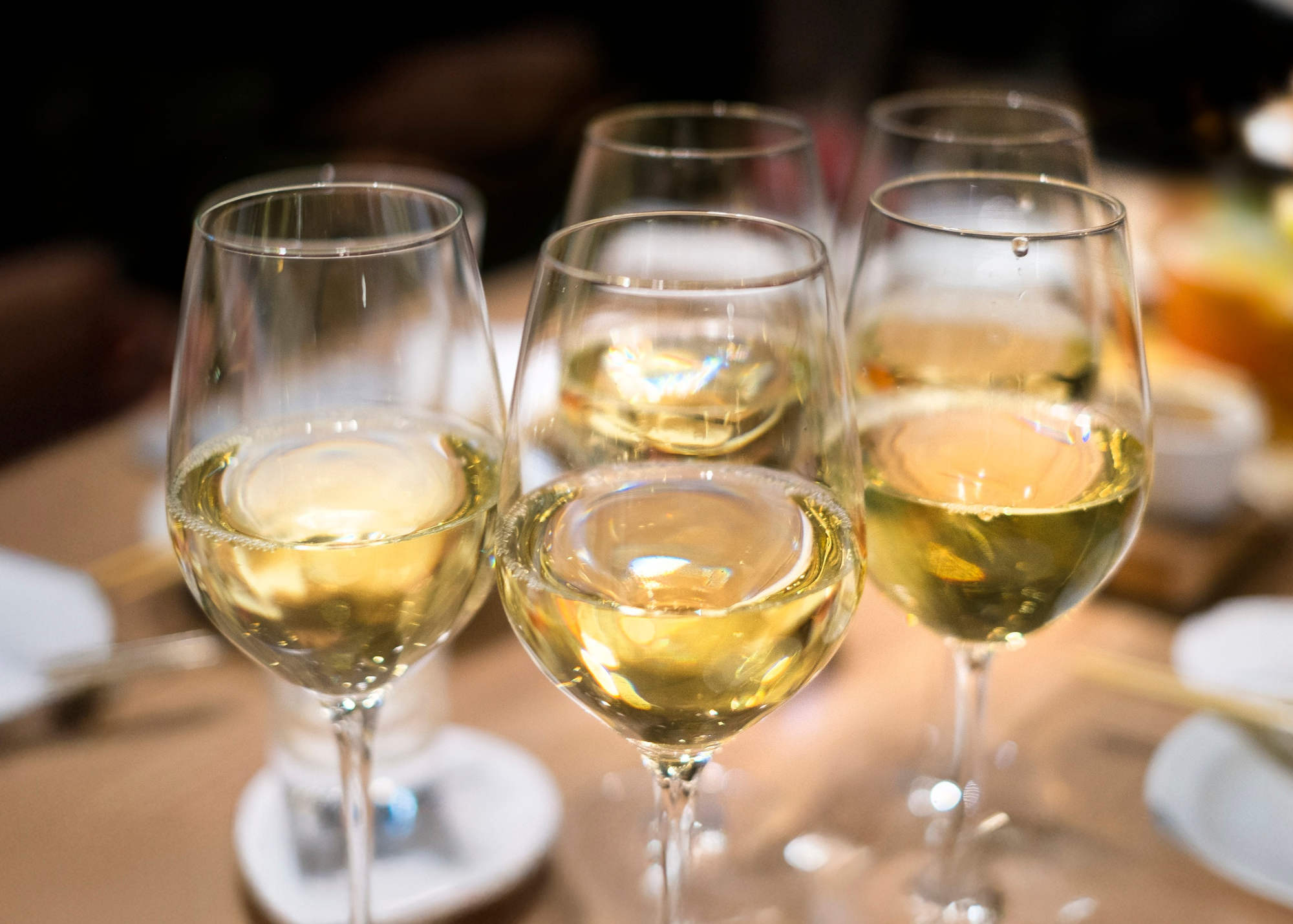
One of the reasons white wine is so popular is the incredible variety available. Many white wines are aged in stainless steel tanks, which help preserve their fresh fruit flavors and vibrant aromas. These wines often highlight notes of citrus, green apple, and floral notes. Others, such as many Chardonnays, may be aged in oak barrels. Oak aging can add richer flavors and textures, bringing out notes of vanilla, butter, nuts, and baking spices.
Depending on the grape variety and winemaking style, white wines can range from:
● Light and crisp
● Dry and mineral-driven
● Fruity and aromatic
● Rich and full-bodied
● Sweet and dessert-like
There's truly a white wine for every palate.
What Does White Wine Taste Like?
White wines offer a wide spectrum of flavors, making every tasting adventure a little different.
Citrus Notes
Many white wines feature bright citrus flavors such as:
● Lemon
● Lime
● Grapefruit
● Green apple
These flavors are especially common in lighter-bodied wines and contribute to their refreshing character.
Tropical Fruit Flavors
Fuller-bodied white wines often showcase juicy fruit notes like:
● Pineapple
● Mango
● Guava
● Passionfruit
These flavors can add richness and complexity while maintaining a refreshing finish.
Floral Aromas
Some white wines are highly aromatic and offer beautiful floral notes, including:
● Jasmine
● Honeysuckle
● Orange blossom
These delicate aromas are often found in wines such as Moscato and Pinot Grigio.
Minerality
Certain white wines display subtle mineral characteristics reminiscent of:
● Wet stone
● Chalk
● Seashells
These qualities can add depth and elegance to the wine.
Sweet or Dry: What's the Difference?
One of the most common questions at wine tastings is whether a wine is sweet or dry. Dry white wines contain very little residual sugar and are known for their crisp, refreshing finish. Varieties like Sauvignon Blanc and Pinot Grigio often fall into this category. Sweeter white wines retain more natural grape sugar, resulting in luscious flavors that can range from lightly sweet to dessert-level richness. Riesling and Moscato are popular examples.
Food Pairings for White Wine
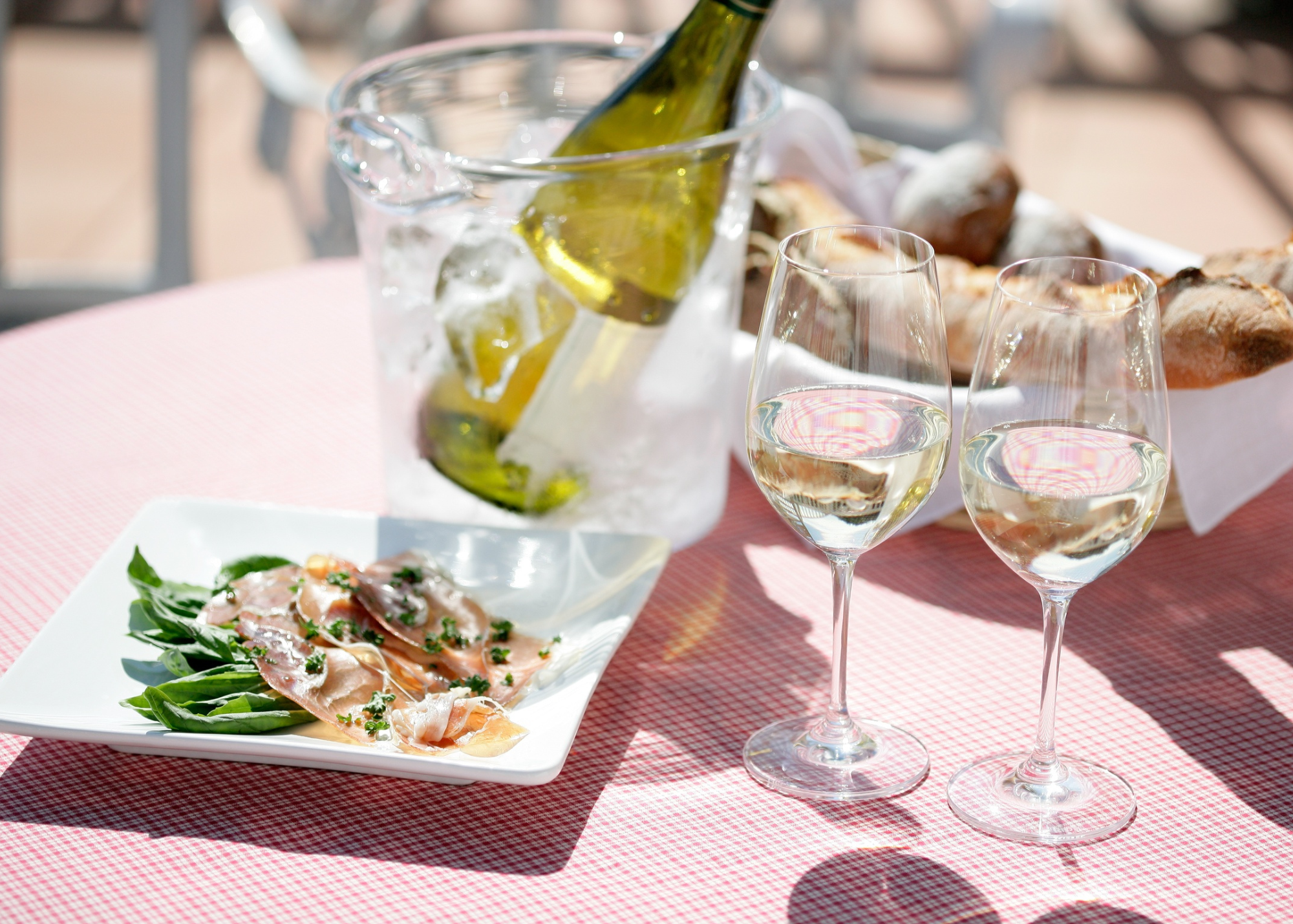
One of white wine's greatest strengths is its ability to pair beautifully with a wide variety of foods.
Chicken Dishes
Grilled or roasted chicken pairs wonderfully with Sauvignon Blanc or unoaked Chardonnay. The wine's acidity complements savory flavors while keeping the meal light and balanced.
Seafood
White wine and seafood are a classic match for a reason.
Try pairing:
● Pinot Grigio with grilled fish
● Albariño with shellfish
● Sauvignon Blanc with shrimp or oysters
The bright acidity enhances delicate seafood flavors without overpowering them.
Creamy Cheeses
Rich, creamy cheeses pair beautifully with fuller-bodied white wines, especially Chardonnay. The combination creates a smooth and indulgent tasting experience.
Sweet Desserts
If dessert is on the menu, consider pairing:
● Moscato with peach cobbler
● Riesling with apple pie
● Late-harvest wines with fruit tarts
The sweetness of the wine complements the dessert and creates a delicious finish to any meal.
Discover White Wines at the Hudson Valley Wine & Food Festival
One of the best ways to learn about white wine is to taste a variety of styles and discover what you enjoy most. From crisp and citrusy to rich and creamy, every winery brings its own unique approach to winemaking. At the Hudson Valley Wine & Food Festival, you'll have the opportunity to sample exceptional wines, meet passionate winemakers, and explore the incredible diversity of white wines produced both locally and beyond.